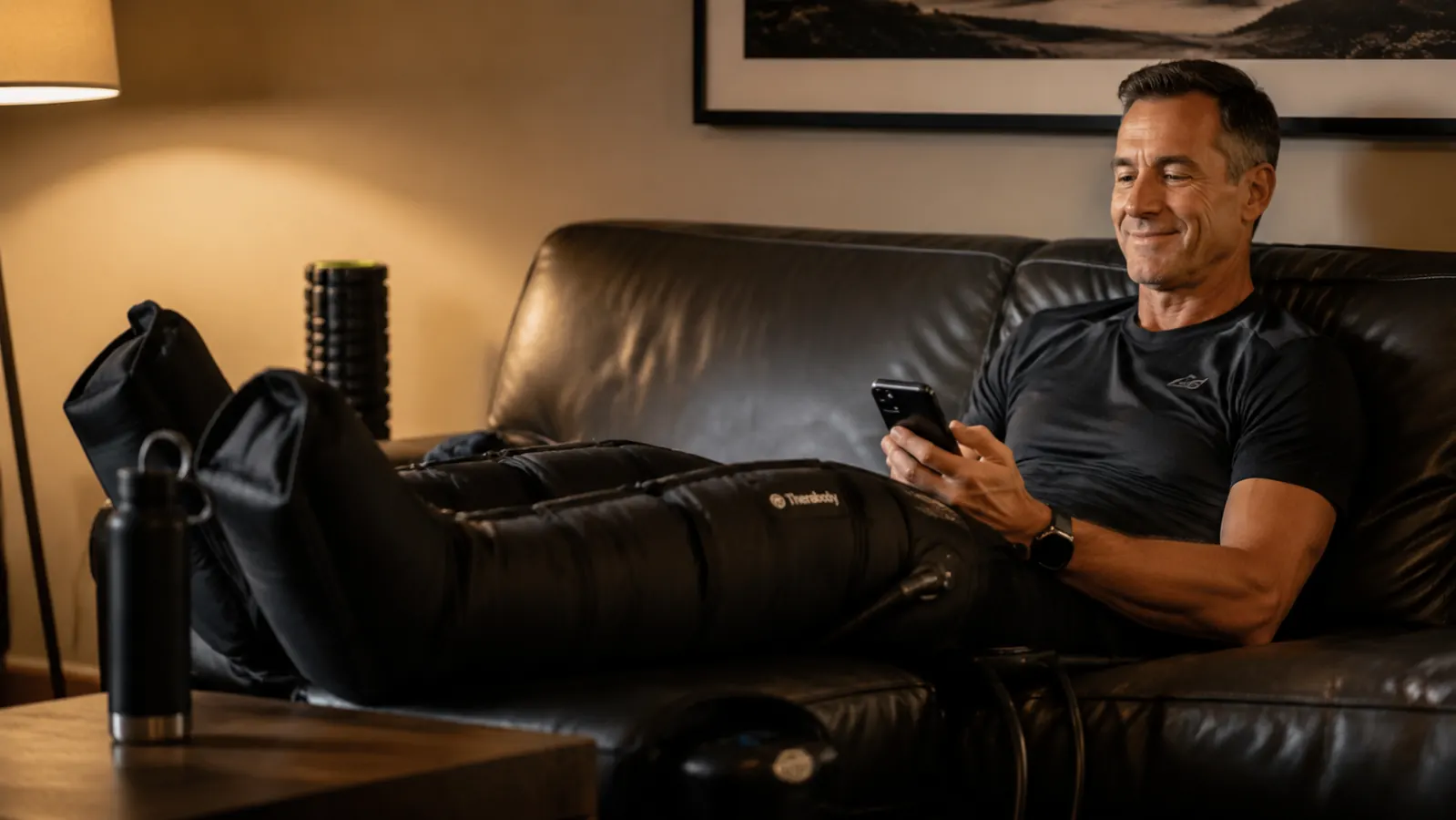
Last December I started using the FIT KING air compression leg massager after my Sunday long runs. My training plan called for 18-mile weeks through January, and my calves and quads were spending Monday morning reminding me of every mile. I had tried rolling, static stretching, and contrast showers. All useful, none of them enough. A friend who runs ultramarathons pointed me toward air compression boots and I picked up the FIT KING based on reviews and the price point. Six months and four half-marathons later, I have a clear picture of what this thing actually does.
This is the long-term use review. If you want the breakdown of things most buyers do not find out until after they have owned it for a while, that is a separate piece. Here I am focused on what changes, what stays the same, and whether the FIT KING still earns a spot in my recovery routine after daily wear.
The Quick Verdict
A capable air compression massager at a fraction of the price of clinical alternatives. Solid for daily use by runners and active adults who need consistent lower-leg recovery without spending top dollar on NormaTec.
Amazon Check Today's Price →Still sore two days after a long run? This is what changed that for me.
The FIT KING air compression massager has 4.3 stars across more than 20,000 reviews on Amazon. Check current pricing and availability before your next training week.
Amazon Check Today's Price on Amazon →How I've Used It
My standard use case: I run four days a week, including one long run of 10 to 14 miles on Sunday. After the long run and after my two harder weekday efforts, I put the FIT KING sleeves on for 20 minutes while I eat dinner or watch something. That is three to four sessions per week, consistently, for six months. I am 44, 182 pounds, and I run in a size 11 shoe. Calf circumference sits around 15 inches at the widest point. The large calf sleeves fit cleanly with room to spare.
I do not use this for upper-leg recovery. The FIT KING kit I have covers the calf and foot. If you need thigh coverage, that requires a different model or a different brand entirely. For calf and plantar fascia work after running, this setup is purpose-built. I zip in, hit the power button, set intensity at 3 out of 6, and let it run for a full cycle.
The controller is a small handheld unit with buttons for power, intensity up and down, and a timer toggle. It takes about three sessions to stop hunting for the right button in the dark. After that it becomes muscle memory, which matters more than it sounds when you are doing this every night for six months.
What Air Compression Actually Does to Tired Legs
Air compression works by squeezing the legs in a sequential pattern, moving from the foot upward toward the calf. The pressure cycles inflate and deflate, creating a pumping action that encourages circulation and fluid movement out of the lower leg. After a hard run, blood pools in the legs and metabolic byproducts accumulate in the muscle tissue. The compression cycle helps move that fluid more efficiently than passive rest alone.
What I noticed within the first two weeks: my legs felt less heavy on Tuesday mornings after Sunday long runs. Not cured, not magically fresh, but noticeably less leaden. The tightness in my calves that usually lasted until Wednesday started clearing by Monday evening. Over six months, that pattern held consistently.
What air compression does not do is replace strength work, proper cooldown, or sleep. I tested a week in month three where I cut sleep to under six hours during a busy stretch. The FIT KING helped but could not overcome the recovery deficit that comes from poor sleep. Tool, not cure.
The Cuff Fit Question
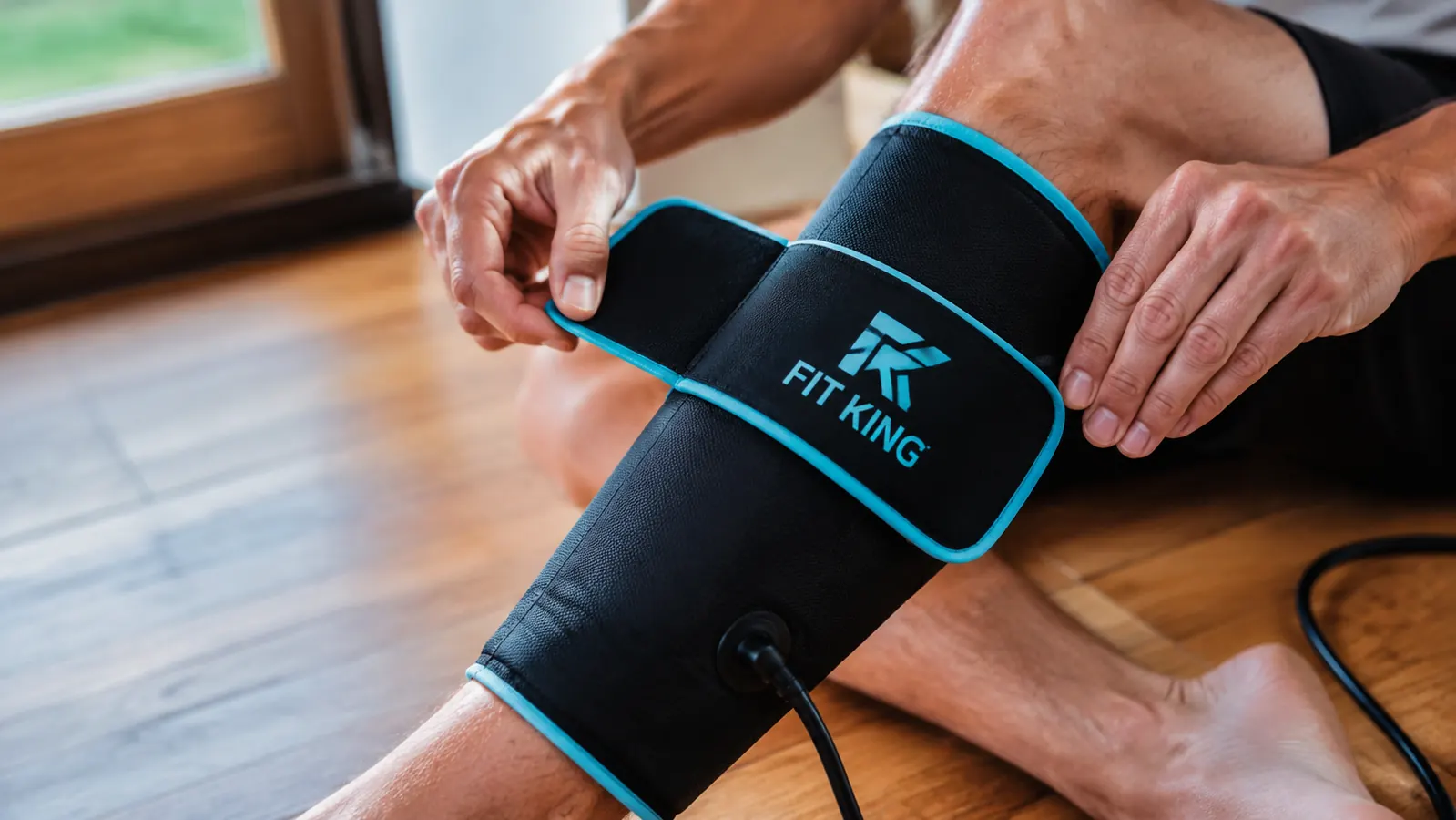
The number one complaint I see in reviews is cuff fit. People with smaller calves, particularly women, report that the sleeves do not inflate snugly enough to create firm compression. People with very large calves report the opposite, that the velcro does not reach or the pressure feels uneven. I sit in the middle of the range and have no fit issues, but this is a real consideration.
The FIT KING sleeves use velcro wraps, not a rigid shell, so there is more adjustability than compression boots with fixed sizing. But the airbag inside is sized for a medium-to-large calf, and if you are outside that range, the massage you feel will be different. I would put the practical calf range at roughly 12 to 18 inches. Outside that window, look at a unit with more sizing options before purchasing.
Six months in, I use this three to four nights a week without thinking about it. That is the real test for any recovery tool: whether it makes the cut when you are tired and ready to skip it.
Durability and Build Quality Over Time
At the six-month mark and roughly 90 to 100 sessions, the FIT KING shows no meaningful wear. The air hoses connecting the controller to the sleeves are still flexible with no cracking or stiffening at the connectors. The velcro on the calf wraps has retained about 90 percent of its grip, which I consider normal for velcro at this usage rate. The compression unit itself is the same size and weight as new and has not developed any rattle or noise change.
The one thing I did replace: the small rubber nozzle caps that keep dust out of the air ports when stored. I lost one of the originals in month two and ordered a cheap rubber cap set from the hardware store. Not a quality issue, just a small and fiddly part. Everything structural has held up well.
Noise is worth addressing. The air pump is audible. It is not loud enough to compete with a TV at normal volume, but it is there. In a quiet room at night, you hear the cycling. I run it at 3 of 6 intensity and the sound is a rhythmic hiss and click every 10 to 15 seconds as chambers inflate and release. Some users find this soothing. If you are noise-sensitive, it is the biggest usability question to consider before buying.
How It Changed Over 6 Months
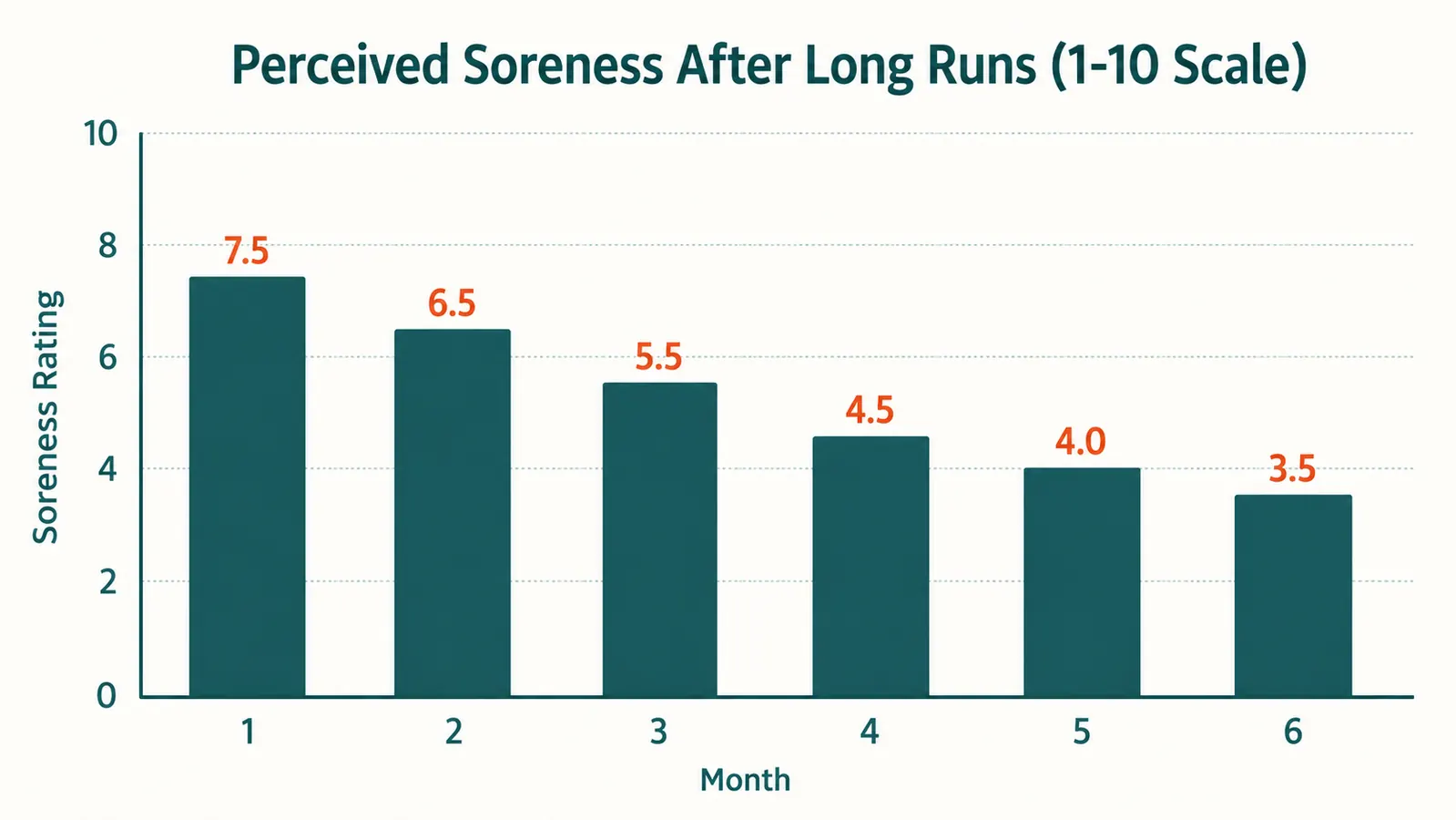
The first month, sessions felt most noticeable and almost a little intense at intensity 3. By month three, I had moved up to intensity 4 on my highest-effort days. This is not tolerance in the bad sense, just calibration. Your nervous system adapts and you get better at reading what pressure level actually feels productive versus just pressurized.
The cumulative benefit I noticed most: my legs started feeling less reactive to back-to-back training days. In January I was rarely running two quality days in a row without soreness interfering. By April I was running Tuesday and Thursday hard sessions without the Tuesday soreness spilling into Wednesday. I was also doing other recovery work during this period, so I cannot isolate the FIT KING as the sole cause. But the boots were the only new variable I added in December.
If you want a direct comparison between this unit and the premium option in this category, I covered that in depth in the FIT KING vs NormaTec comparison. The short version: NormaTec adds more pressure precision and a thigh sleeve, but the core mechanism is the same. For most recreational athletes training at my volume, the FIT KING closes the gap more than the price difference justifies.
What the Intensity Settings Actually Mean
Six settings sounds like meaningful range, and in practice, the difference between 1 and 6 is real but not dramatic. Level 1 is light, almost barely-there pressure. Level 6 is genuinely firm, the kind of pressure where you feel your calves being squeezed. Most users will land between 3 and 5 and stay there. I have run one or two sessions at 6 out of curiosity. It is not uncomfortable, just intense. I came back to 4 as my upper limit.
The modes (which cycle the compression pattern differently) are honestly less important than intensity. There are three modes on my unit. I use the same one every session because the sequential calf-to-foot pattern felt best and I stopped experimenting after month one. If you are the type who will methodically work through all modes and dial in the best one for your needs, the options are useful. If you are like me, you set it and forget it.
What I Liked
- Meaningfully reduces next-day calf heaviness after long runs at my volume (30 to 40 miles per week)
- Build quality has held up cleanly through 90-plus sessions with no hose cracking or velcro failure
- Controller is simple enough to operate without looking at it after a few sessions
- At a moderate price point, it costs less than two physical therapy copays and delivers daily benefit
- 20-minute auto-cycle means you can run a full session without touching it once it starts
- Genuinely portable: rolls up small, fits in a gym bag, no external power brick required
Where It Falls Short
- Cuff fit is designed for medium-to-large calves; smaller legs get noticeably weaker compression
- No thigh coverage on the standard kit, which limits usefulness for quad-dominant sports like cycling
- Air pump noise is audible and rhythmic, which bothers some users in quiet environments
- Controller buttons are small and unlabeled beyond icons; takes a few sessions to learn by feel
- At intensity 5 or 6, sessions can generate noticeable warmth inside the sleeves after 15 minutes
Who This Is For
This is the right tool if you are running or doing high-volume lower-body training, your legs are consistently sore two days after hard efforts, and you want a daily recovery option that does not require a drive to the gym or a physical therapist appointment. The FIT KING hits the sweet spot for recreational athletes training in the 25 to 50 mile per week range. At that volume, the daily compression benefit is real and measurable. It is also solid for people who stand on their feet all day, nurses, warehouse workers, retail staff, who deal with end-of-day calf swelling rather than training soreness. The mechanism is the same, just a different source of the problem.
For more on why air compression works for both active athletes and on-your-feet adults, the piece on why air compression recovery boots work covers the mechanism in detail. Worth reading if you are still on the fence about whether compression therapy is even worth trying.
Who Should Skip It
Skip this if your primary recovery need is upper-leg or hip work. The standard FIT KING kit stops at the calf, and if your quads, IT band, or hip flexors are the issue, you need a different tool or the upgraded FIT KING model that includes thigh cuffs. Also skip it if you have very narrow calves and are not willing to return it if the fit is too loose. The cuff sizing question is real. For small-legged athletes, fit testing before keeping it is essential. Finally, if noise is a deal-breaker in your household, the pump cycle will annoy you. It is not loud, but it is not silent.
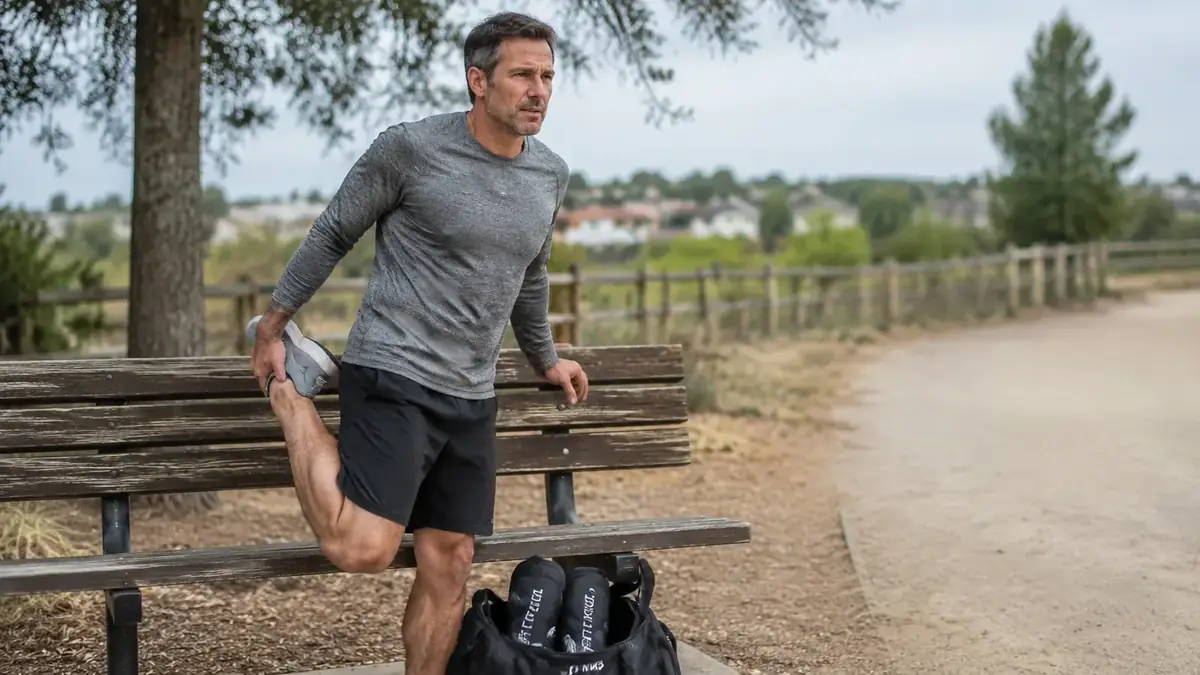
If your legs are still sore two days later, this is worth the try.
The FIT KING has 20,000-plus reviews at 4.3 stars and a price point well below clinical compression alternatives. Six months in, mine still earns its place in the routine. Check current pricing on Amazon.
Amazon Check Today's Price on Amazon →