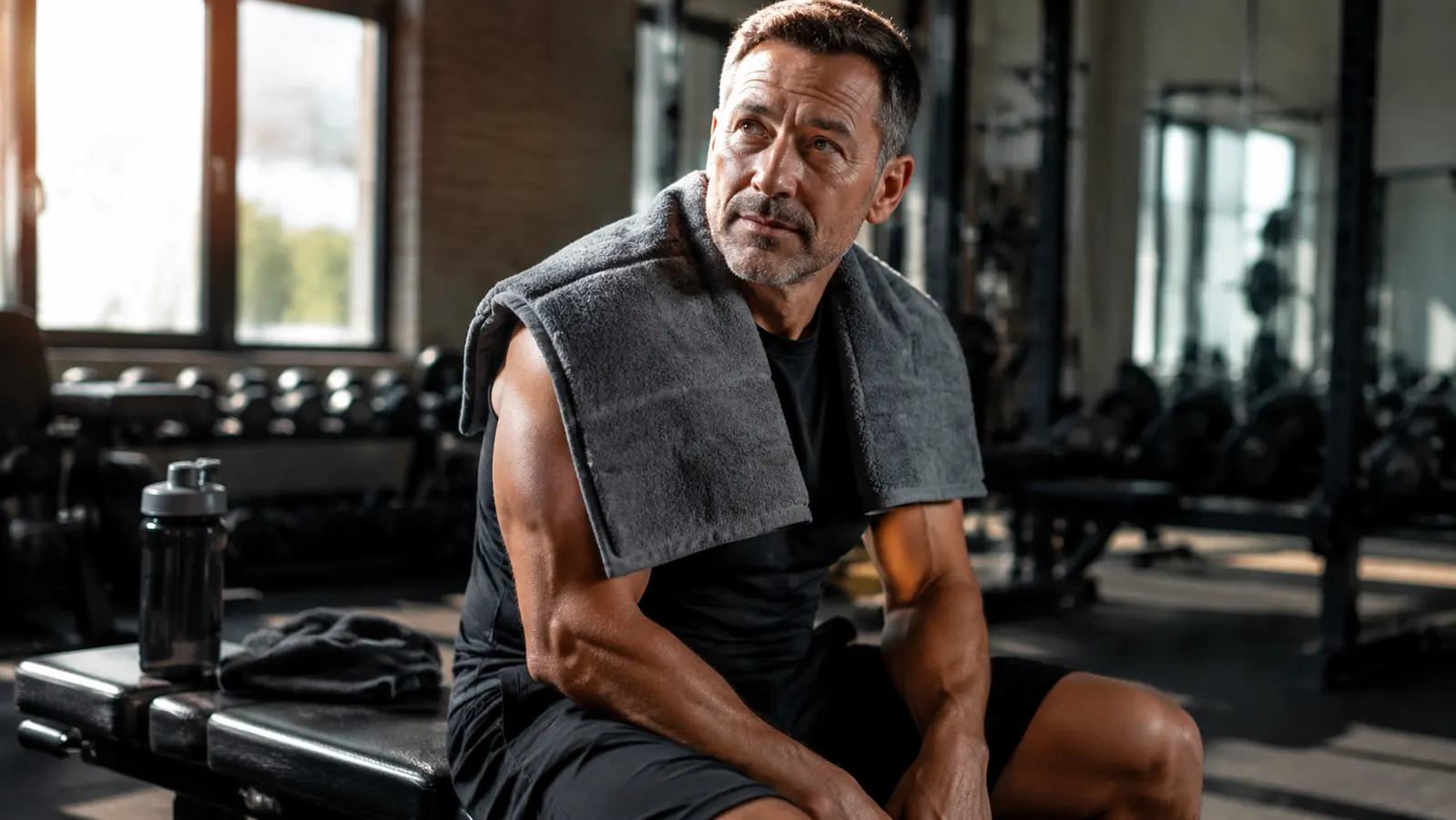
Ice made sense right after my ankle rolled on a trail run. But the dull, heavy soreness I feel in my neck and shoulders on Thursday after a hard Monday lift? Ice does almost nothing for that. I have been reaching for a Bedsure Heating Pad instead, and the difference in how I feel 20 minutes later is not subtle. Below are 10 concrete reasons heat and vibration tend to win when the goal is everyday post-workout muscle recovery.
Quick note before the list: ice is still the right call for acute injuries, fresh sprains, and anything that is swollen or bruised within the first 48-72 hours. This article is about the ordinary delayed soreness that shows up a day or two after training hard, not acute inflammation from an injury.
Tired of fighting with a melting ice pack that does nothing for next-day muscle ache?
The Bedsure Heating Pad combines adjustable heat with vibration massage. Over 3,000 reviewers and rated 4.2 stars. Check today's price on Amazon.
Amazon Check Today's Price on Amazon →Heat Increases Blood Flow to the Area
When you apply warmth to a sore muscle, blood vessels in the area dilate. That means more oxygen and nutrients flowing in, and metabolic waste products clearing out faster. Cold does the opposite: it constricts blood flow, which is why it is useful right after an acute injury to limit swelling, but counterproductive when the problem is ordinary post-training stiffness that needs circulation to resolve.
Vibration Adds a Layer of Mechanical Release
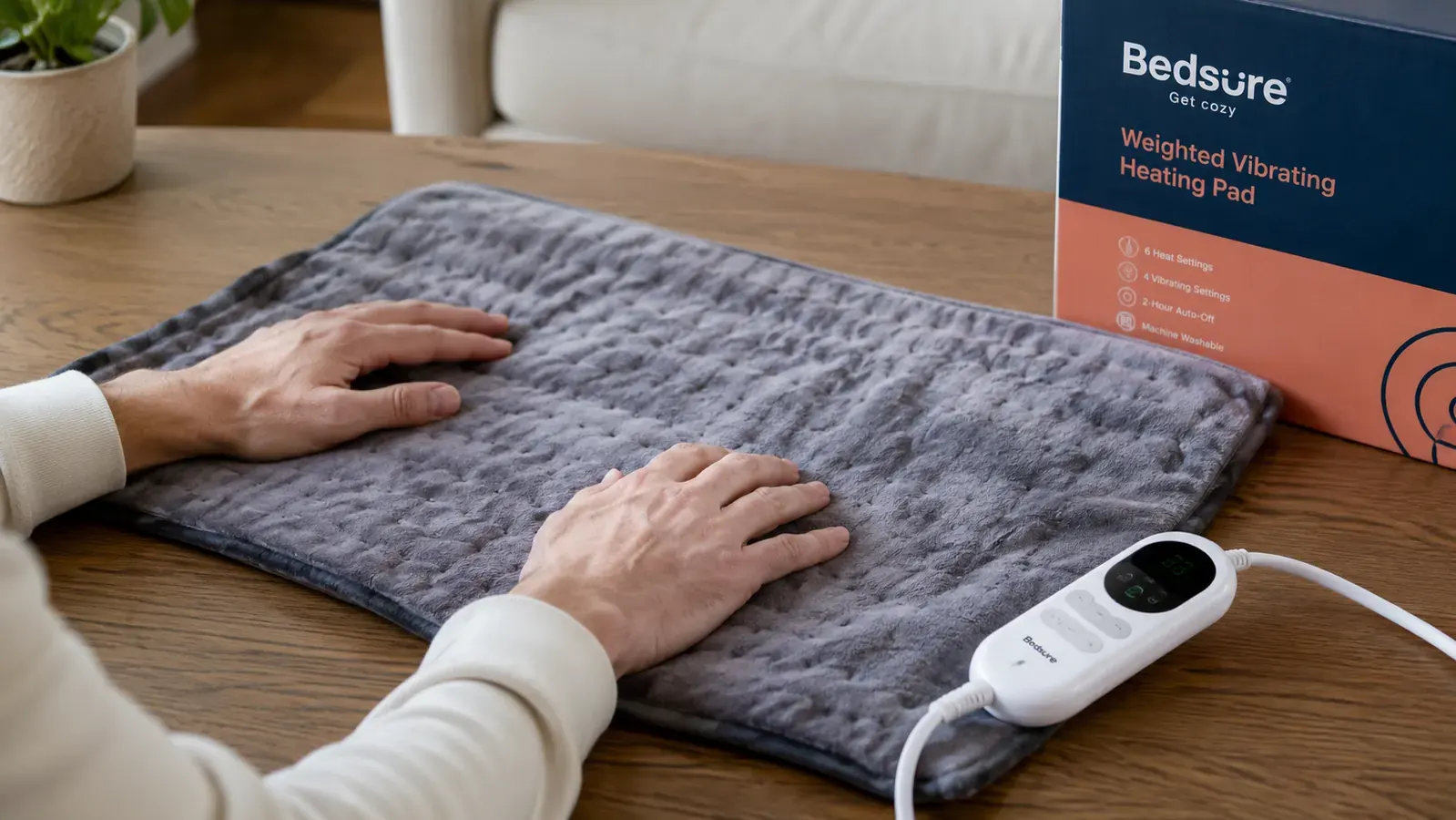
A plain ice pack sits there. A heated pad with vibration does not. The Bedsure pairs heat with multiple vibration settings that work into the superficial muscle tissue the same way light percussion does. You get heat loosening the area and vibration moving through it at the same time. The combined effect on neck and trap tension in particular is noticeably more satisfying than either tool on its own.
It Is Actually Comfortable to Sit Through
I do not know anyone who enjoys holding a cold pack on a sore muscle for 20 minutes. Most people peel it off after eight because it is uncomfortable. A heating pad is the opposite: you tend to forget it is there because it feels good. That matters for recovery, because the tool you actually use consistently is the one that produces results.
The Weighted Design Keeps It in Contact With Curved Muscles
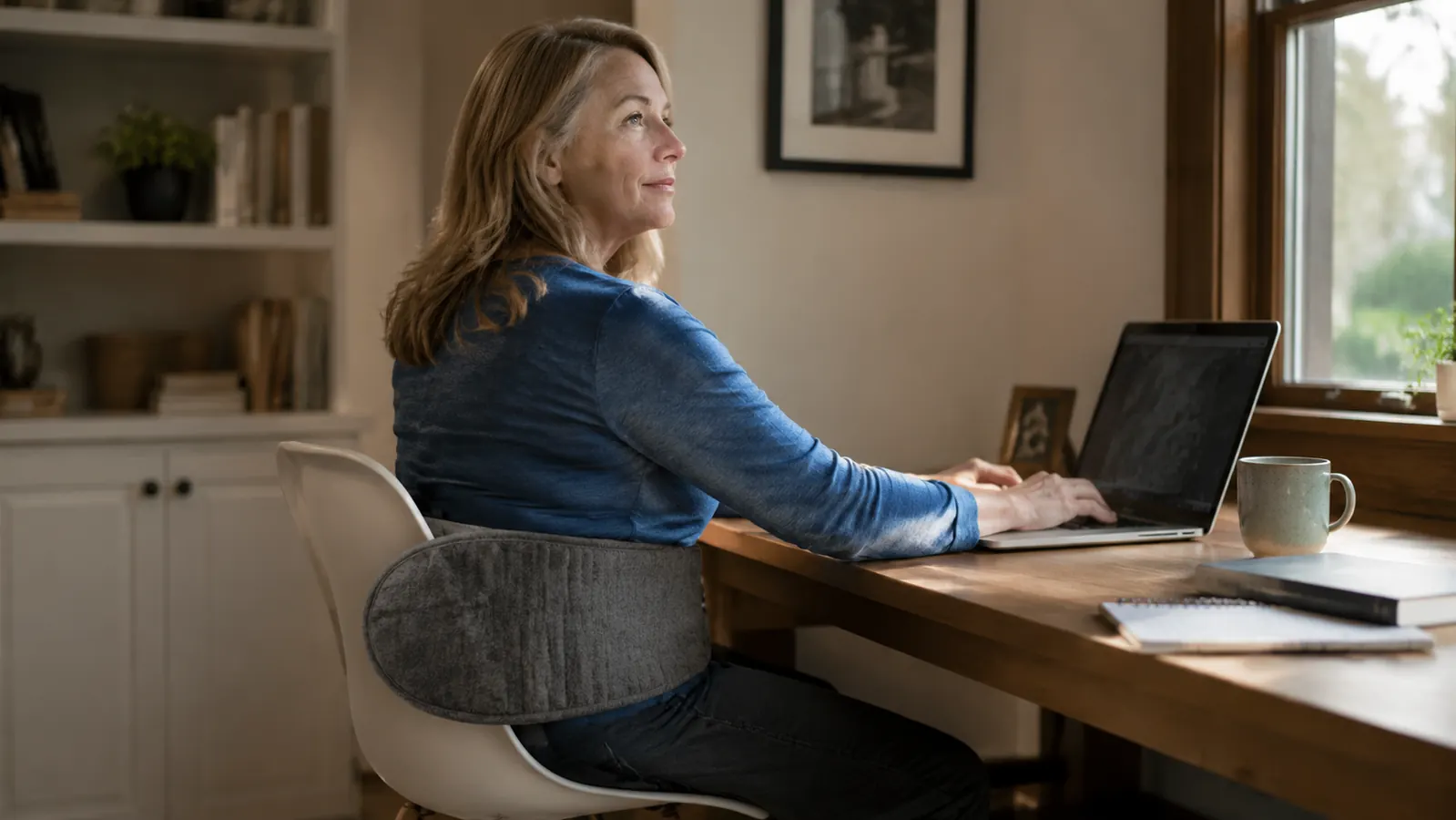
The Bedsure is a weighted pad, which sounds minor until you try to keep a flat ice pack on your neck without holding it in place the entire time. The weight drapes the pad into the contours of your neck, shoulder, or lower back and keeps it there. You can sit normally, watch TV, or read without babysitting the placement. Ice packs need a strap, a wrap, or a hand to stay put.
No Melting, No Dripping, No Mess
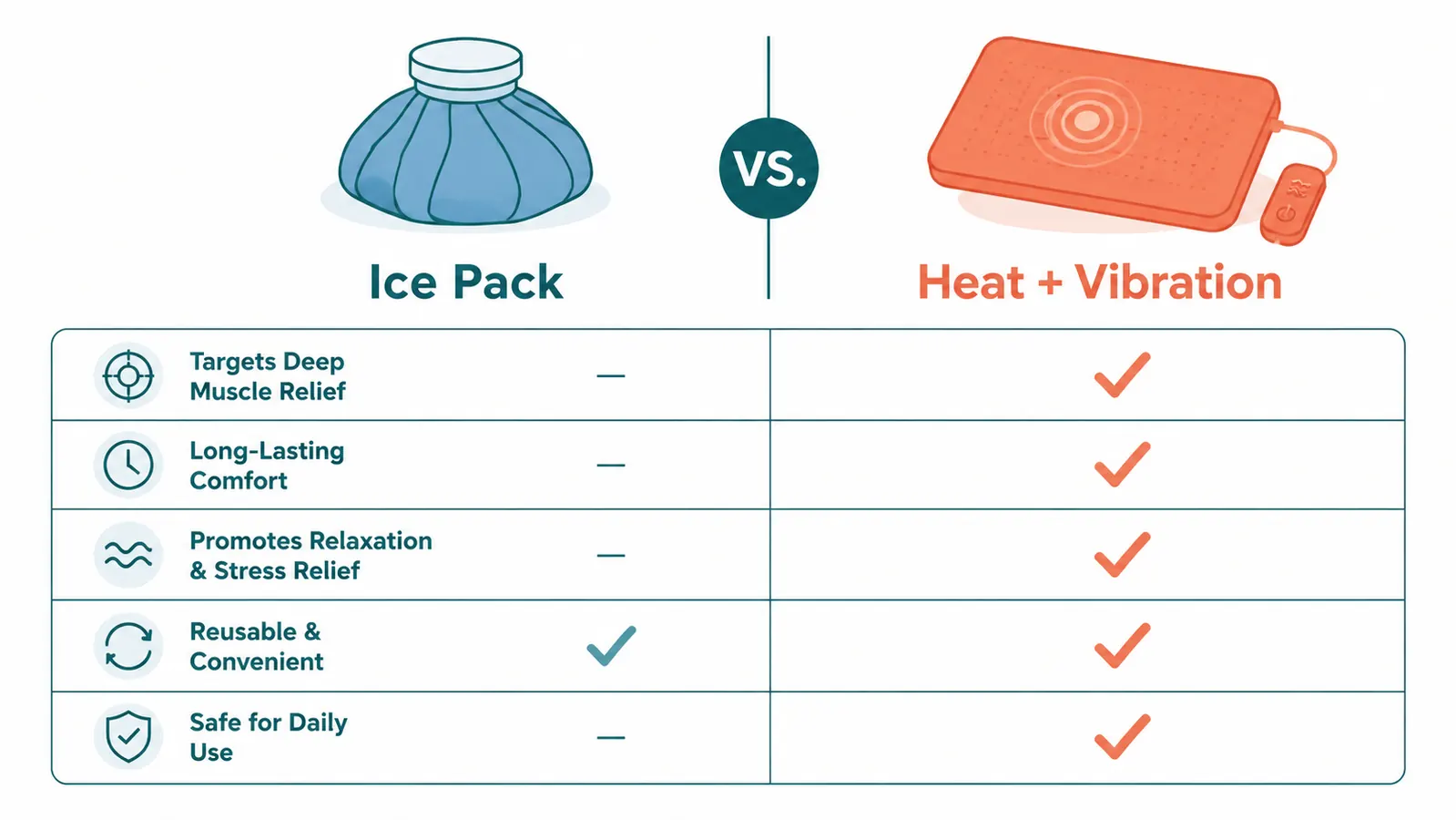
Reusable ice packs eventually sweat condensation onto whatever surface you are sitting on, and they start warming up and losing effectiveness around the 15-minute mark. A heating pad maintains its temperature for the entire session and requires zero cleanup. I stopped keeping a towel next to the couch for ice pack drips the day I switched.
The tool you actually use for 20 minutes beats the one you peel off after eight. Comfort is not a luxury in recovery -- it is compliance.
Heat Works Better for Chronic Tightness Than Cold Does
Post-workout soreness that lingers two or three days is often as much about tight, contracted muscle tissue as it is about inflammation. Cold is designed to address inflammation. Heat is designed to relax tight tissue. For the stiff neck you have carried since Tuesday's deadlifts, heat is the right tool, and the evidence for heat therapy in muscle recovery is consistent on this point.
Multiple Heat Levels Mean You Can Match Intensity to Sensitivity
The Bedsure has three heat settings. A low setting is enough on days when soreness is mild or you are sensitive to heat. A higher setting handles the deep ache after a brutal leg day. Ice packs offer no such adjustment: you get one temperature, and that temperature drops as the pack warms up. Adjustability also makes a heat pad safer for people whose skin is more reactive to temperature.
You Can Use It Before a Workout to Warm Up Tight Spots
Ice does not belong in a pre-workout warmup. Heat does. A five-minute session on tight hip flexors or a chronically stiff thoracic spine before training gets blood moving and tissue temperature up before you ask those areas to work. The Bedsure doubles as a warmup tool, which makes it more versatile per dollar than a single-purpose cold pack.
The Auto-Shutoff Removes the Risk of Falling Asleep With It On
One complaint people have about heating pads in general is the fire risk if you fall asleep using one. The Bedsure has an automatic shutoff that ends the session after a set time. That makes it safe to use while you are half-watching something in the evening and nodding off. Ice packs do not have this problem, but they also stop being useful the moment they warm up, so the comparison is moot.
At This Price Point, the Math Makes It Obvious
Check today's price on Amazon and compare it to what you spend on disposable heat patches over six months. Single-use heat patches for neck and shoulder soreness cost $2-3 each and last 8 hours before they are trash. A Bedsure pad handles the same job indefinitely and stores in a drawer. For anyone who trains more than twice a week and deals with regular post-workout soreness, a reusable heated pad pays for itself inside a month.
What I Would Skip
A heated massage pad is not the right tool for fresh injuries. If you twisted something, have a joint that is visibly swollen, or are dealing with acute pain from an impact, keep the ice packs on hand. Cold in the first 48-72 hours after injury limits swelling and is the appropriate first response. Once the acute phase has passed and you are managing residual stiffness or general training soreness, switch to heat. Do not use heat and ice interchangeably on the same injury the same day without understanding which phase you are in.
Also worth noting: a heating pad is not a substitute for rest, sleep, or actually addressing training volume if your recovery is consistently poor. It is a tool that helps with comfort and circulation during normal recovery. If your soreness is severe or lasts longer than a few days after typical training, that is a sign to back off the load, not to add more heat therapy on top of it.
A heated pad is not a substitute for rest. It is a tool that makes the recovery you are already doing more effective and more comfortable.
Ready to swap the ice pack for something that actually feels good to use?
The Bedsure Heating Pad for neck, shoulders, and back combines adjustable heat with vibration and a weighted design that stays in place. Rated 4.2 stars across 3,155 reviews. See today's price on Amazon.
Amazon Check Today's Price on Amazon →