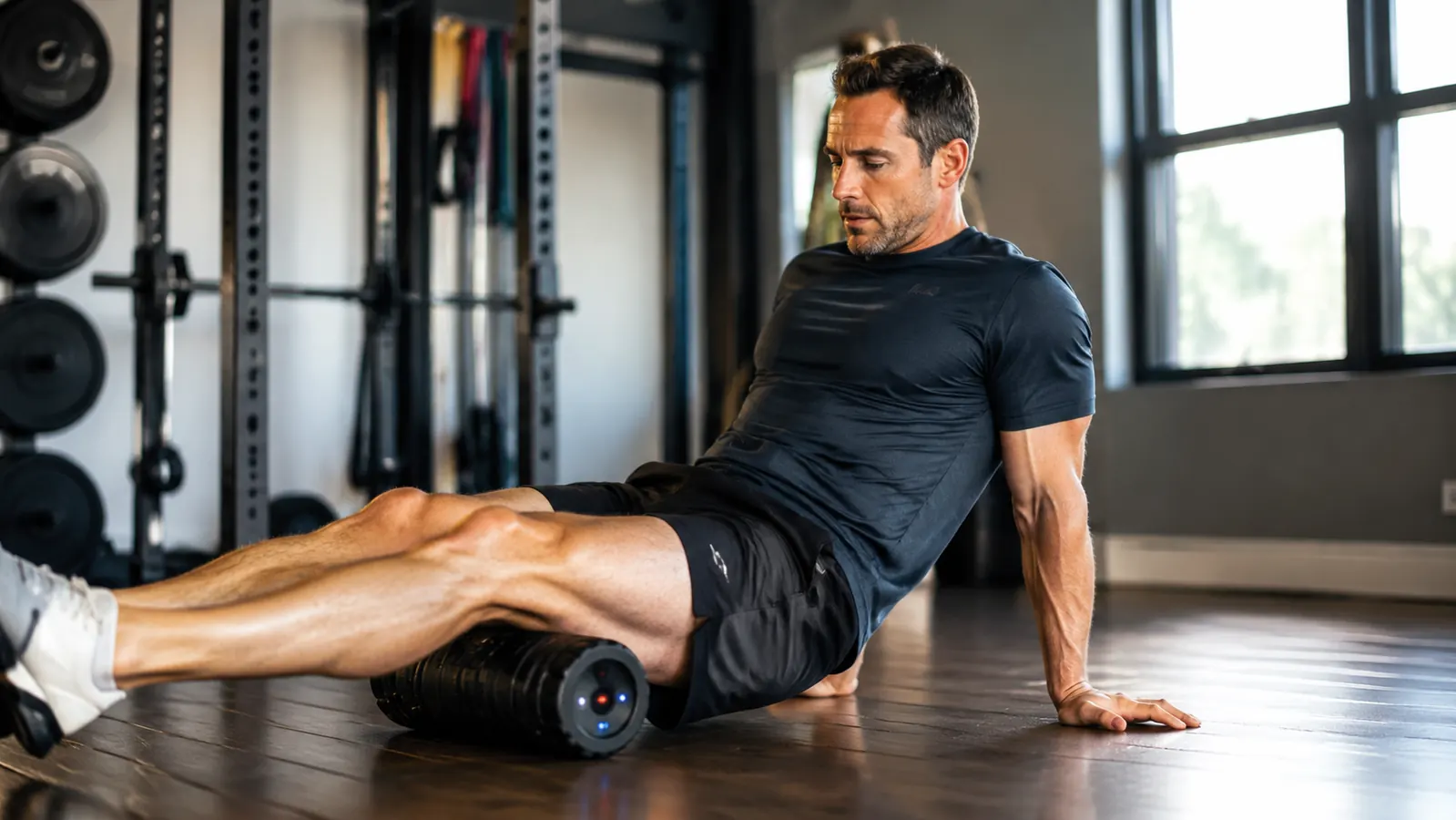
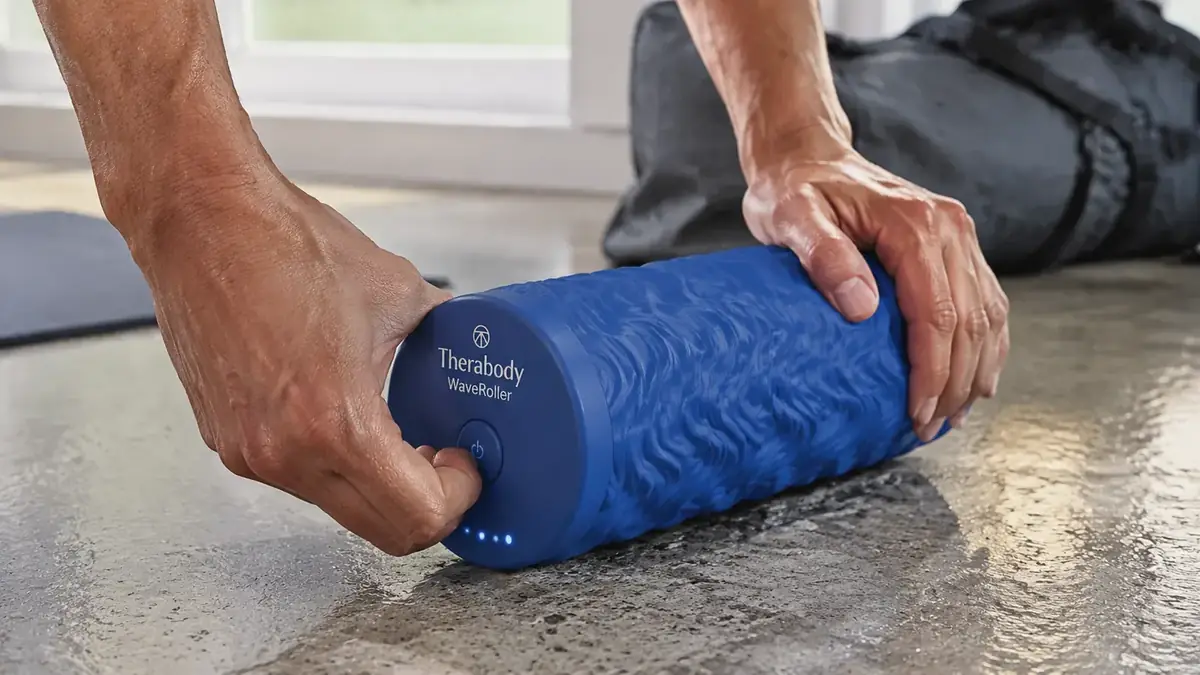
For years I owned a plain black foam roller that was cheap and mostly served as a dog toy between uses. It hurt to use, it didn't seem to do much for the tightness I was trying to fix, and I skipped it more sessions than I used it. When the Therabody WaveRoller crossed my path, I was skeptical. Vibration seemed like a gimmick. Turns out I had the mechanism wrong. Plain rollers apply pressure. Vibrating rollers apply pressure AND use oscillation to signal your nervous system to relax the muscle before you even dig in. That's a different tool. Here are 10 concrete reasons why that difference changes what post-workout rolling can actually accomplish.
These aren't abstract claims. If you train hard a few times a week and spend your rolling sessions white-knuckling the floor, you'll recognize most of these the first time you roll with vibration instead. If you want the full breakdown on the Therabody WaveRoller's long-term durability, battery life, and noise level, that review covers 7 months of daily use.
Ready to feel the difference a vibrating roller makes on your tightest muscles?
The Therabody WaveRoller packs five vibration speeds into a full-length high-density roller with a charge that lasts through multiple sessions. It's the one I still reach for every morning after a hard training day.
Amazon Check Today's Price on Amazon →Vibration Reduces Muscle Guarding Before You Roll
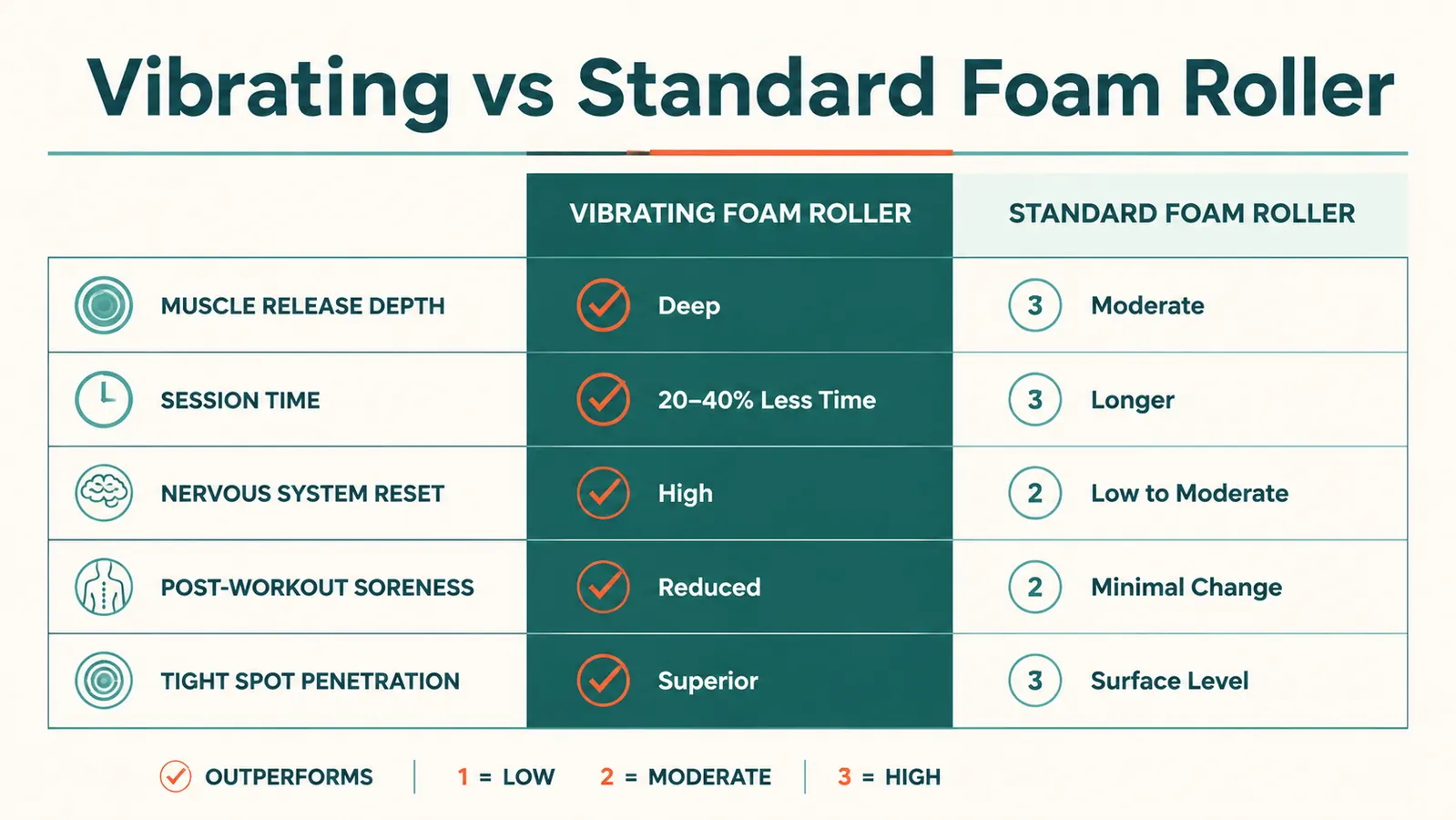
When you press a plain roller into a tight muscle, the body's instinct is to resist. That's called muscle guarding, and it works against everything you're trying to do. Vibration at the right frequency (the WaveRoller runs between 30 and 53 Hz depending on the speed setting) has a calming effect on the muscle spindles that trigger that defensive contraction. You get deeper tissue contact without the fight. The difference is most obvious in stubborn spots like the IT band or the piriformis. A plain roller on those areas is mostly pain. A vibrating roller on those areas actually starts releasing within 30 to 45 seconds.
You Can Cut Session Time Without Cutting Results
Standard foam rolling guidance suggests 60 to 90 seconds per muscle group before you get meaningful results. With vibration, useful release tends to happen in 30 to 45 seconds on most muscles. That's a real difference when you're trying to fit recovery into a busy schedule. I used to skip rolling entirely because 15 minutes felt like too much. With the WaveRoller, I can cover quads, IT bands, calves, and thoracic spine in under 8 minutes and feel a genuine difference. If your current rolling habit is inconsistent because it takes too long, a vibrating roller is likely to fix that problem.
It Works as Both a Warm-Up and a Cool-Down Tool
Plain foam rollers are generally used post-workout only, because heavy pressure before a workout can temporarily reduce force output. Vibration-only contact (lower bodyweight, higher speed) before a session actually increases blood flow and primes the neuromuscular system without compressing the tissue aggressively. After a workout, drop the speed and add more body weight for deeper release. One tool, two jobs. I started using the WaveRoller for 3 to 4 minutes pre-run on my calves and hamstrings and noticed my legs feel less stiff coming out of the first mile.
Vibration Helps With DOMS More Noticeably Than Pressure Alone
Delayed onset muscle soreness, the heavy aching stiffness that peaks 24 to 48 hours after hard training, responds differently to vibration than to static pressure. The oscillation increases local circulation, helps flush metabolic byproducts, and the nervous system calming effect reduces the inflammatory pain response in the area you're working. I noticed the biggest difference after leg day. Rolling my quads and hamstrings with the WaveRoller at speed 3 the night of a hard squat session consistently left me less wrecked the following morning than plain rolling ever did.
The first time I used the WaveRoller on my IT band, I couldn't believe I had been white-knuckling a plain roller for years thinking that was supposed to help. It's the same motion with a completely different result.
You Get Consistent Pressure Without Compensating With Your Arms
One of the underappreciated problems with plain foam rolling is that people naturally shift their weight off the painful spots, which defeats the purpose. When vibration is doing part of the work, there's less of a reason to avoid the tender areas. You still control the pressure by how much bodyweight you load, but the vibration keeps things moving even when you're hovering at a lighter weight over a genuinely tight spot. Less bracing, more actual tissue work.
Five Speed Settings Mean You Match the Tool to the Muscle
Not every muscle group needs the same approach. The WaveRoller's five speeds let you use low frequency oscillation on sensitive areas like the upper back and hip flexors, and higher frequency on larger, less reactive muscles like the quads and glutes. With a plain roller, you get one experience: pressure, and however much you can tolerate. Multiple speeds turn the roller into a genuinely adjustable tool rather than a one-size-fits-all compression block.
It's Quieter and More Practical Than a Massage Gun for Full Muscles
Massage guns are great for localized trigger points but they're awkward on large muscle groups like the quads, hamstrings, and calves, because you're holding a gun in one hand and trying to cover a long muscle surface. A full-length vibrating roller handles large surfaces naturally: you just lie on it and roll. The WaveRoller at its loudest speed is about as loud as a box fan on low, which means it's fine to use while watching TV or in a hotel room without bothering anyone. Most massage guns at full intensity are much louder. This technique guide covers which muscles respond best to the rolling approach and which ones still need a gun.
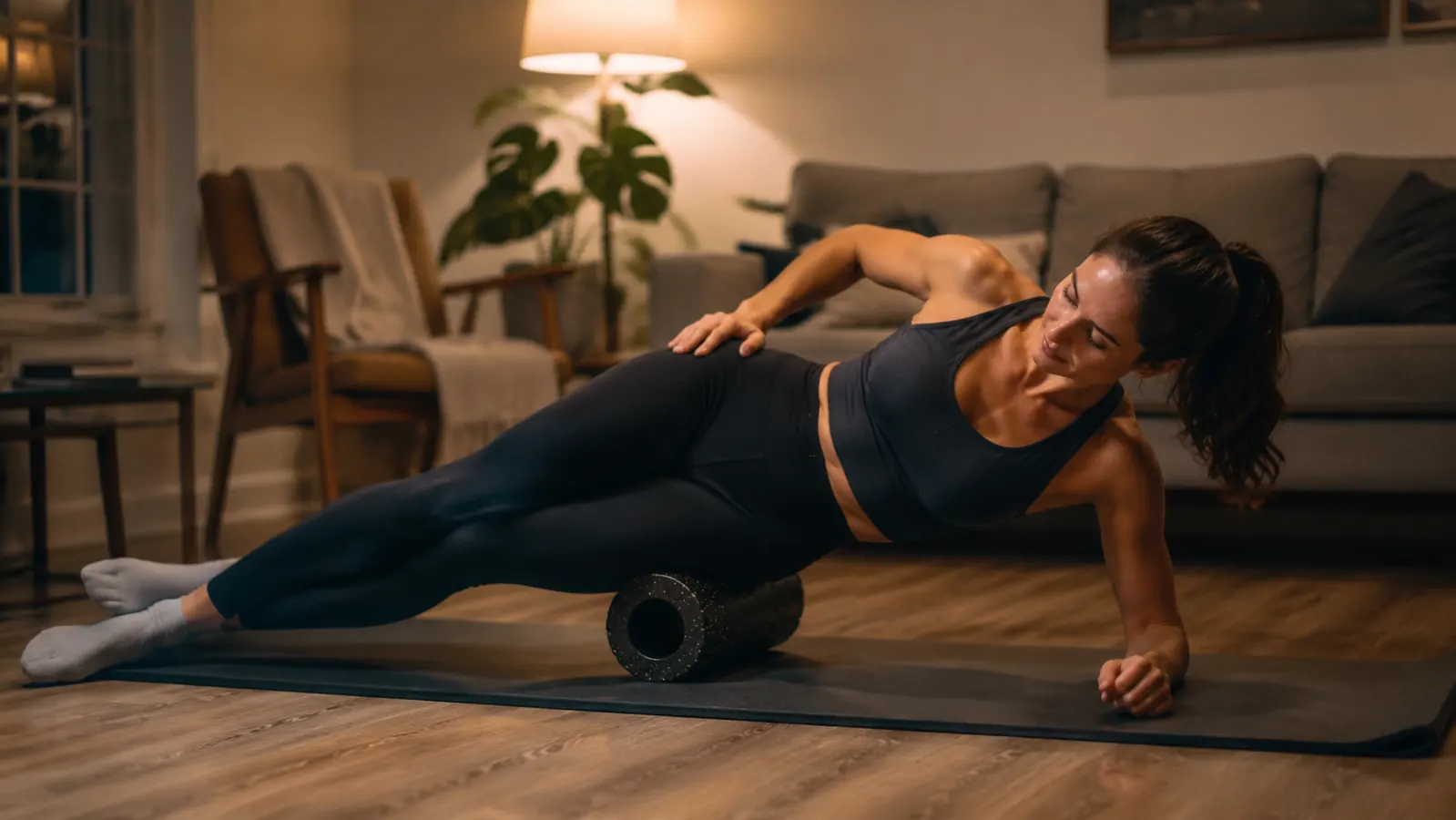
The High-Density Core Means It Doesn't Compress Flat Over Time
Cheap foam rollers go soft within a few months. Once the foam compresses, you've lost most of the structural pressure that makes rolling effective. The WaveRoller's outer layer sits over a hard plastic core that houses the motor and battery. That core is not going anywhere. The foam is there to buffer the contact, but the actual firmness and pressure of the roller comes from rigid construction, not from foam density that will deteriorate. After 7 months of nearly daily use, it feels identical to the first session.
It Charges via USB-C and Runs Multiple Sessions Per Charge
Battery anxiety with recovery tools is real. The WaveRoller holds roughly 2 hours of continuous use on a full charge, which works out to multiple rolling sessions before you need to plug in. The USB-C charging means the same cable you're already using for your phone works here. I charge mine once a week during typical use of 7 to 10 minutes daily. The one downside: there's no mid-session battery indicator beyond the LED lights on the button, which only tell you approximate charge level when you power it on.
You'll Actually Use It Consistently Because It Doesn't Feel Like Punishment
The best recovery tool is the one you use. Plain foam rolling feels like low-grade torture for the first several minutes, which is why most people do it sporadically and never long enough to build the habit. When rolling is something your muscles respond to positively within 30 seconds, it's genuinely easier to do it every day. That consistency, over weeks and months, is where the real recovery gains accumulate. The WaveRoller isn't magic. But it removes the main reason people skip rolling: because plain rolling hurts and doesn't seem to work fast enough.
What I'd Skip
The WaveRoller is not the right call if you need a compact travel roller (it's 18 inches long and requires charging), or if you're brand new to foam rolling and not sure you'll stick with it. A plain high-density roller at a fraction of the price is a reasonable starting point to build the habit first. The vibration benefit is most noticeable once you've established a regular rolling practice and hit the ceiling of what pressure alone can do. If you're already rolling consistently and still leaving sessions feeling like the tight spots barely budged, that's the signal the WaveRoller was built for.
The WaveRoller's case for itself is simple: if plain rolling isn't keeping up with how hard you're training, this is the upgrade that actually changes the equation.
If your plain roller has been collecting dust because sessions hurt more than they help, the WaveRoller is worth a serious look.
Rated 4.4 stars by over 1,700 verified buyers. Five vibration speeds, a hard-core construction that won't compress flat, and USB-C charging. The current price on Amazon reflects what you'd spend on two or three sessions with a sports massage therapist.
Amazon Check Today's Price on Amazon →