
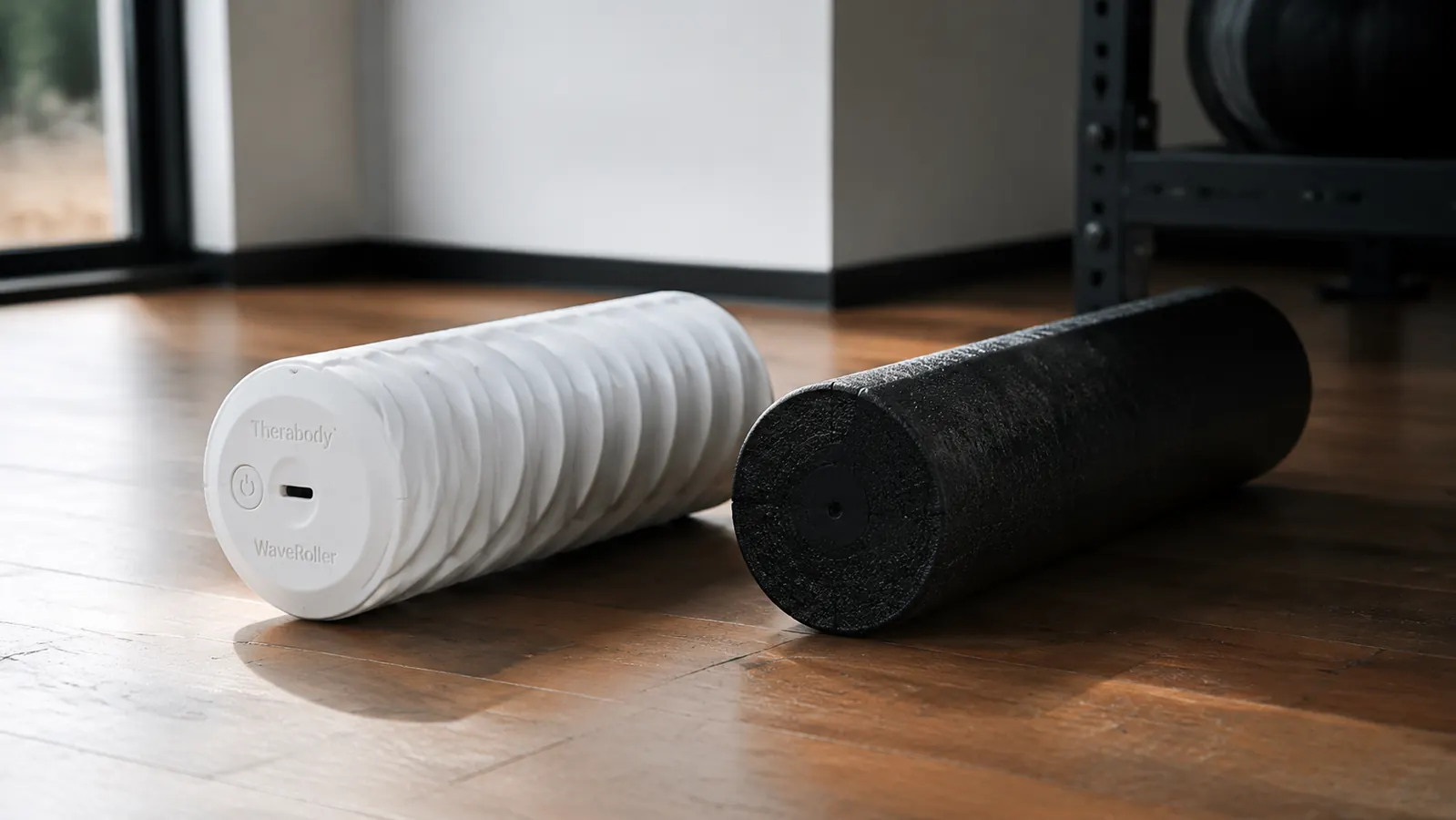
The short answer: yes, the WaveRoller is meaningfully better, but only if you are rolling regularly enough for the difference to matter. If your foam roller collects dust between rare uses, a budget high-density cylinder will do the same job. But if you are rolling three or more times a week, have stubborn muscle tissue that never fully releases on a plain roller, or just hate how long a rolling session takes, the Therabody WaveRoller earns its price gap.
I rolled on a standard high-density foam roller for about two years before trying the WaveRoller. I was skeptical that vibration was anything more than a gimmick to justify a triple-digit price tag. After several months of using both, that skepticism is mostly gone, with one or two honest caveats. Here is what actually changes and what does not.
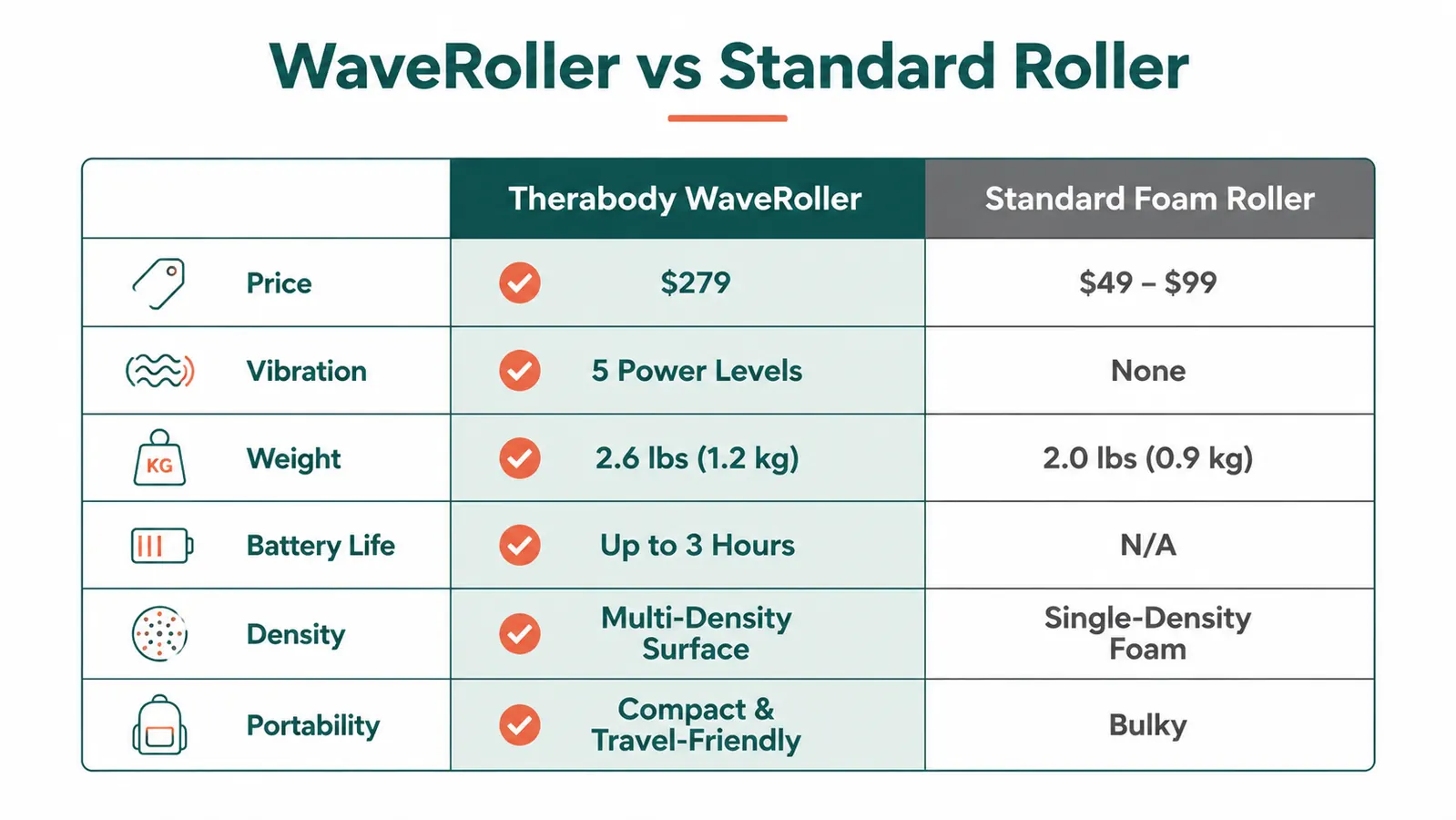
| Therabody WaveRoller | Standard Foam Roller | |
|---|---|---|
| Price | Premium tier | Budget to mid-range typical |
| Vibration | 5 frequency settings (30 Hz to 53 Hz) | Not included |
| Weight | 2.5 lbs | 0.8 - 1.2 lbs (varies by brand) |
| Battery / Power | Rechargeable lithium-ion, approx. 2-hour run time | No battery required |
| Surface Texture | High-density foam with raised wave ridges | Smooth or lightly textured EVA foam |
| Bluetooth App | Therabody app with guided routines | Not applicable |
| Waterproof / Sweat Resistant | Sweat-resistant, not waterproof | Fully water-resistant EVA foam |
| Session Feel | Vibration penetrates deeper; tissue releases faster | Mechanical pressure only; takes longer on dense muscles |
| Travel Practicality | Bulkier, needs charging, TSA-fine in carry-on | Lightweight, no charging, packs easily |
Where the Therabody WaveRoller Wins
The clearest win for the WaveRoller is stubborn tissue, specifically the IT band, thoracic spine, and calves. On a standard roller, those areas require sustained pressure and a lot of patience before the muscle starts to let go. The vibration from the WaveRoller interrupts that resistance earlier. On my calves post-run, I went from needing six to eight minutes of grinding on a plain roller to getting a comparable release in about three to four minutes on the WaveRoller at its mid-range 40 Hz setting. That may not sound significant, but when your recovery session is wedged between a workout and dinner, it matters.
The wave-ridge surface texture also adds something a smooth or lightly textured standard roller cannot replicate. The ridges create localized pressure points that catch along tight muscle bands in a way that a smooth cylinder does not. On the thoracic spine in particular, each ridge lands slightly differently as you roll, which helps work through more of the paraspinal muscles in a single pass. Combined with the vibration, this makes the WaveRoller noticeably more effective for upper-back stiffness from sitting at a desk or heavy pressing work. Read more on vibration versus manual pressure in our long-term WaveRoller review.
Stubborn post-workout tightness that a plain roller hasn't fixed? The WaveRoller's five-speed vibration changes the equation.
Rated 4.4 stars across 1,771+ reviews on Amazon. Rechargeable, app-compatible, and built specifically for the muscle groups that resist standard foam rolling.
Amazon Check Today's Price on Amazon →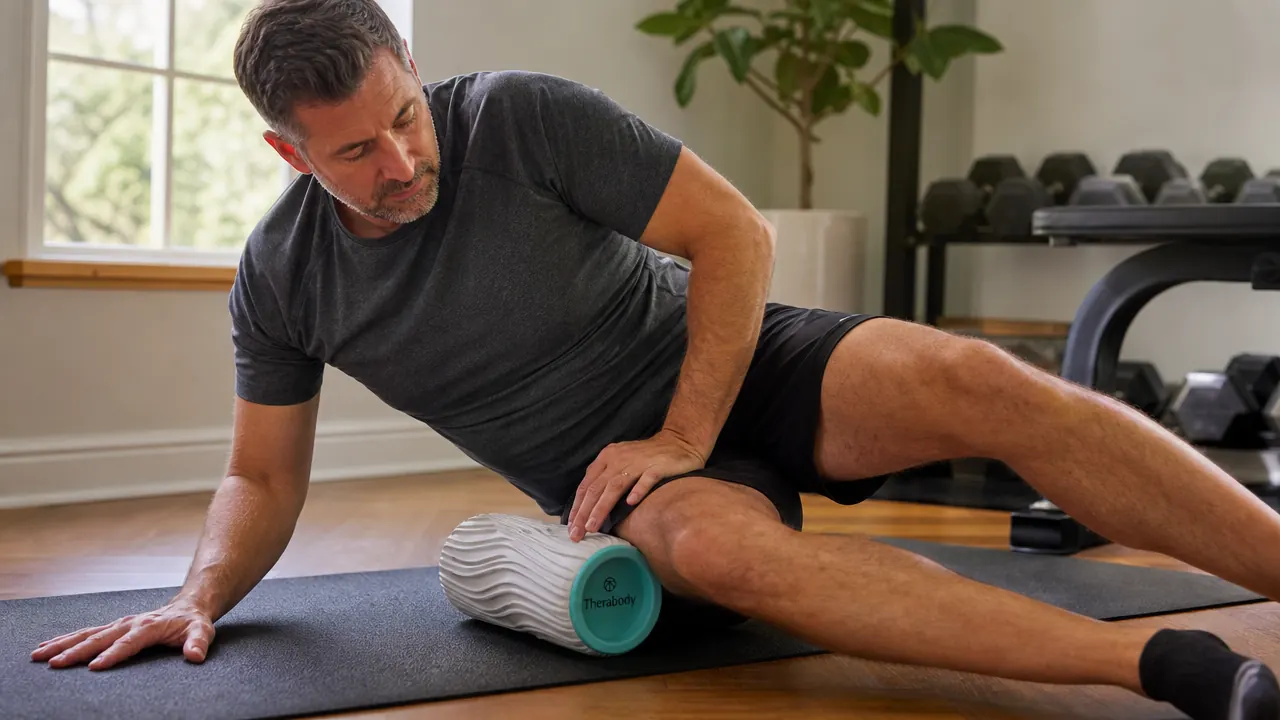
Where a Standard Foam Roller Wins
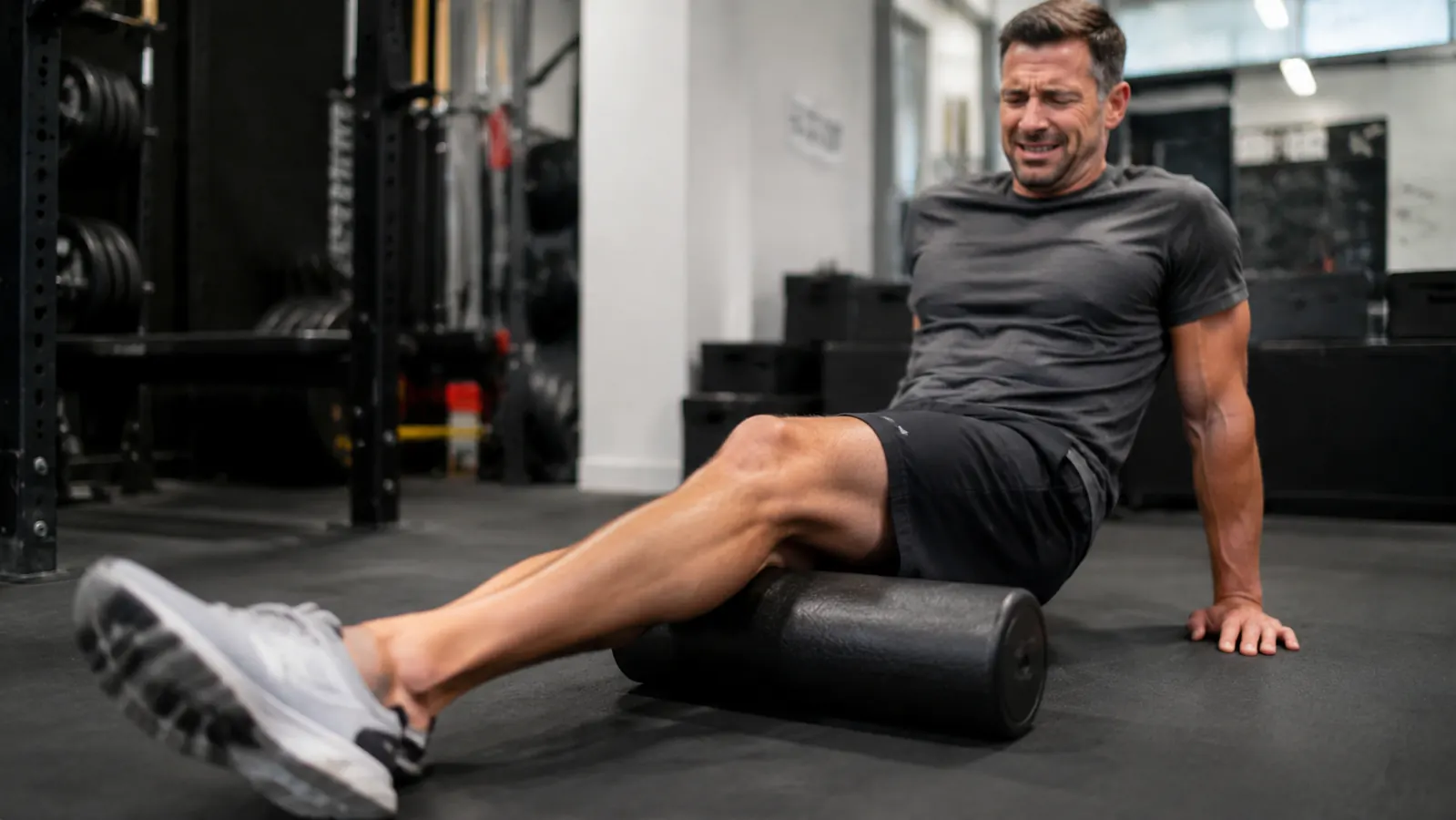
Price and simplicity. A quality high-density foam roller costs a modest amount, does not need charging, and weighs about a pound. It goes in a gym bag, a hotel suitcase, or under a bed without any friction. If you are newer to rolling, a standard roller is also the better starting point because it forces you to develop the slow, deliberate bodyweight control that teaches you where your tight spots actually are. Slap vibration on top too early and you can rush through spots that deserve more attention. The WaveRoller's vibration does some of the softening work for you, which is an advantage for experienced rollers and a potential shortcut for beginners still learning pressure awareness.
The durability angle also favors the plain roller. A high-density EVA cylinder has no battery to degrade, no charging port to wear out, and no electronics to short from sweat. A WaveRoller that gets rolled on five days a week will eventually have a battery that holds less charge than it did at purchase. That is not a knock specific to Therabody, it is just the physics of rechargeable cells. If you want a tool that works the same five years from now with zero maintenance, the standard roller wins that round cleanly.
On my calves post-run, I went from needing six to eight minutes of grinding on a plain roller to getting a comparable release in about three to four minutes on the WaveRoller. When your recovery session is wedged between a workout and dinner, that gap matters.
Vibration vs Manual Pressure: What the Difference Actually Feels Like
The best analogy I have found: rolling on a standard foam roller is like pressing a thumb into a knot and holding. Rolling on the WaveRoller is like pressing a thumb in and also wiggling it slightly. The wiggle, done at the right frequency, signals the nervous system to back off its protective tension faster than sustained static pressure alone. Whether or not that framing holds up to scientific scrutiny, it describes the subjective experience accurately. Tissue that would take ninety seconds of focused pressure on a plain roller often lets go in thirty to forty-five seconds on the WaveRoller at 40 Hz.
The five speed settings matter more than you might expect. The 30 Hz low setting is close to what you feel with a light massage, and it is the right call for areas like the upper traps or shins where the tissue is shallow and aggressive pressure creates more guarding than release. The 53 Hz high setting is better suited for large, dense muscle groups like the quads and glutes where you want more penetration. Running all your rolling on one speed, whatever the setting, misses what makes the tool versatile. If you are considering the WaveRoller, plan to experiment across all five speeds before settling on defaults per muscle group.
The Therabody App: Useful or a Gimmick?
Genuinely useful, but probably not for the reason you expect. The guided routines are decent, not transformational. What actually earns the app a place in regular use is the preset programs that sequence muscle groups and set vibration speed automatically. If you roll while watching something on your phone, you are not managing the speed controls while prone on the floor. Having a fifteen-minute lower-body recovery program that adjusts itself as you move from hamstrings to IT band to calves removes friction from the session. That said, if you are the kind of person who has a memorized rolling routine and does not want a Bluetooth layer, the WaveRoller works just fine with manual speed buttons alone.
Who Should Buy Which
Get the WaveRoller if you are a regular roller who has hit the ceiling of what a plain roller can do for dense or chronically tight muscle groups, if you want shorter sessions that still deliver full release, or if you are recovering from a lot of high-intensity training where post-session tissue quality really affects how the next session feels. The WaveRoller is also a good pick for active adults over 40 whose tissue responds more slowly than it used to and who would benefit from the mechanical assist that vibration provides.
Stick with a standard high-density foam roller if you are newer to rolling and still developing your technique, if your budget is tight and the extra cost would genuinely strain it, if you travel constantly and want a no-charge zero-maintenance tool, or if your rolling sessions are occasional rather than part of a consistent recovery habit. A well-made budget high-density cylinder from any reputable brand will outperform a WaveRoller that sits uncharged on a shelf. See our honest deep-dive on the WaveRoller's lesser-known details if you are on the fence and want the full picture before committing.
Rolling three or more times a week and your plain roller isn't cutting it? The WaveRoller is built for exactly that gap.
Therabody WaveRoller: five vibration frequencies, rechargeable battery, high-density wave ridges, and Therabody app compatibility. 4.4 stars from 1,771+ verified buyers.
Amazon Check Today's Price on Amazon →