
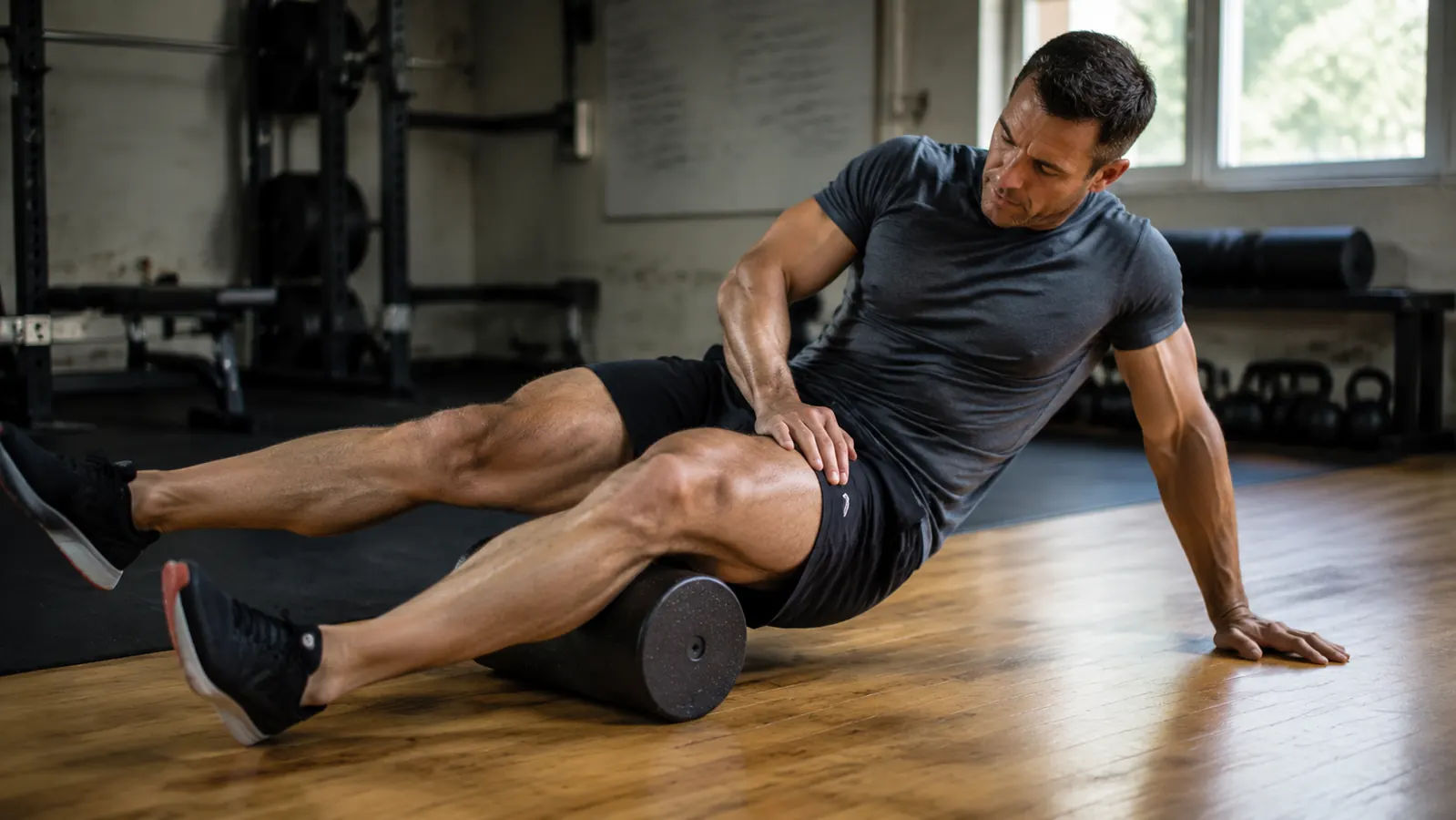
Seven months ago I bought the Therabody WaveRoller to replace a cheap high-density foam roller that had been sitting in the corner of my home gym for two years. Not because the cheap roller was broken. Because my quads and IT band were so chronically locked up after long runs that rolling on it felt like pressing a bruise into a piece of PVC pipe. The WaveRoller costs more. That is a real question worth asking: does vibration change enough to justify the price jump for a tube you roll around on the floor?
I am a 44-year-old runner and weekend cyclist. I train five to six days a week, mostly early mornings. Recovery is not a luxury for me at this point, it is the thing that keeps me out of a physical therapist's office. After seven months of using the WaveRoller almost daily, including through a marathon build and a three-month cycling block, I have a clear-eyed answer. It is not what I expected going in.
The Quick Verdict
The vibration is not a gimmick, but it earns its price only if you roll consistently. Casual users will not feel a substantial difference. Serious athletes who roll four or more times a week will.
Amazon Check Today's Price →If tighter muscles are slowing your recovery between sessions, here is the current price on the WaveRoller.
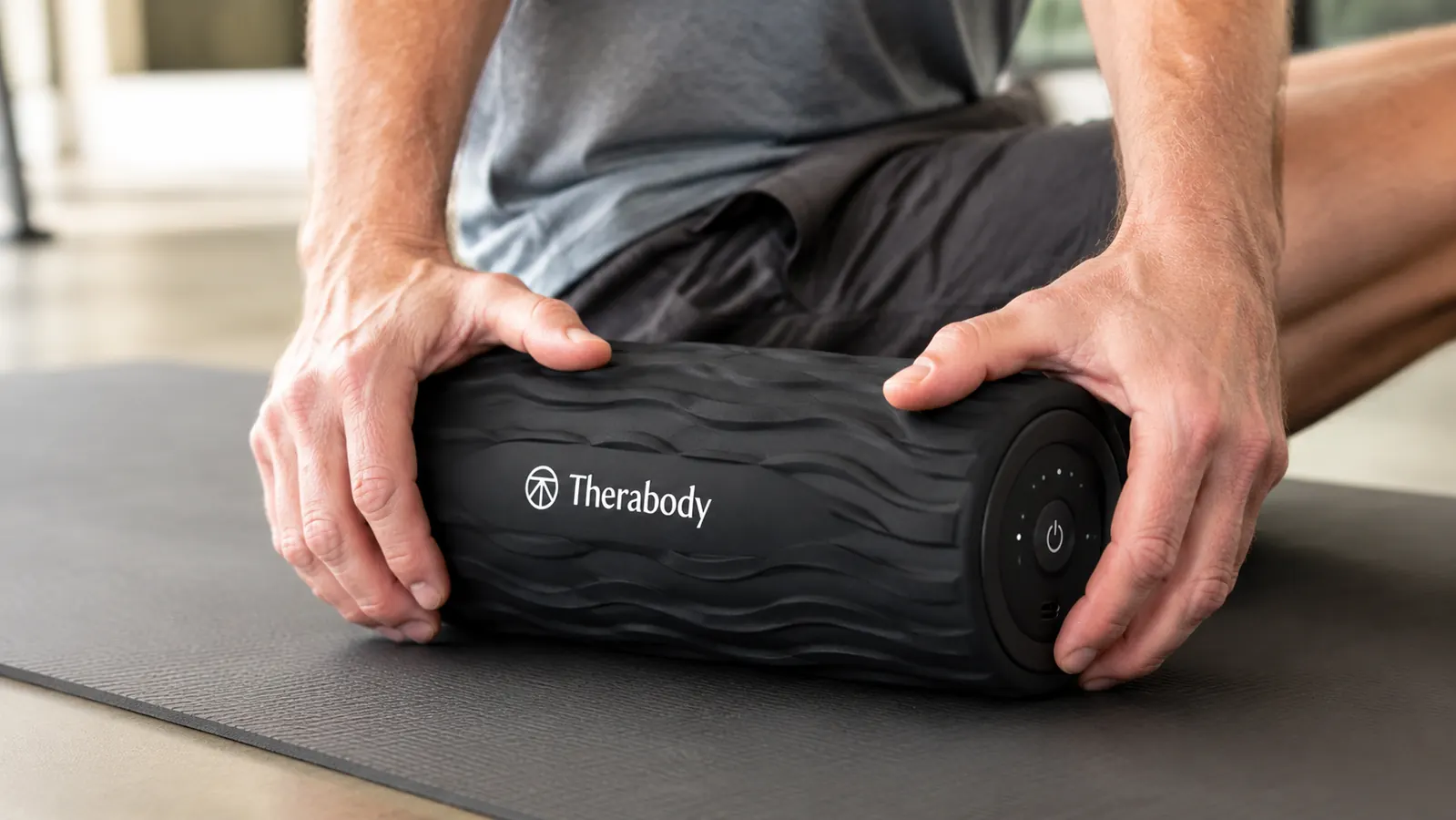
Therabody's WaveRoller (ASIN B08HW7GXSQ) is the same vibrating roller I have used for 7 months. It ships with a USB-C charging cable and holds a charge for roughly 2.5 to 3 hours of continuous use.
Amazon Check Today's Price on Amazon →How I've Used It Over 7 Months
My baseline protocol is simple: 8 to 12 minutes of rolling after every run or bike session, targeting quads, IT band, calves, thoracic spine, and hip flexors. I use the WaveRoller at Speed 3 (of 5 available speeds) on large muscle groups and drop to Speed 1 on the IT band, where direct pressure is already intense enough without adding aggressive vibration. Most sessions I spend 60 to 90 seconds per zone, pausing on tight spots.
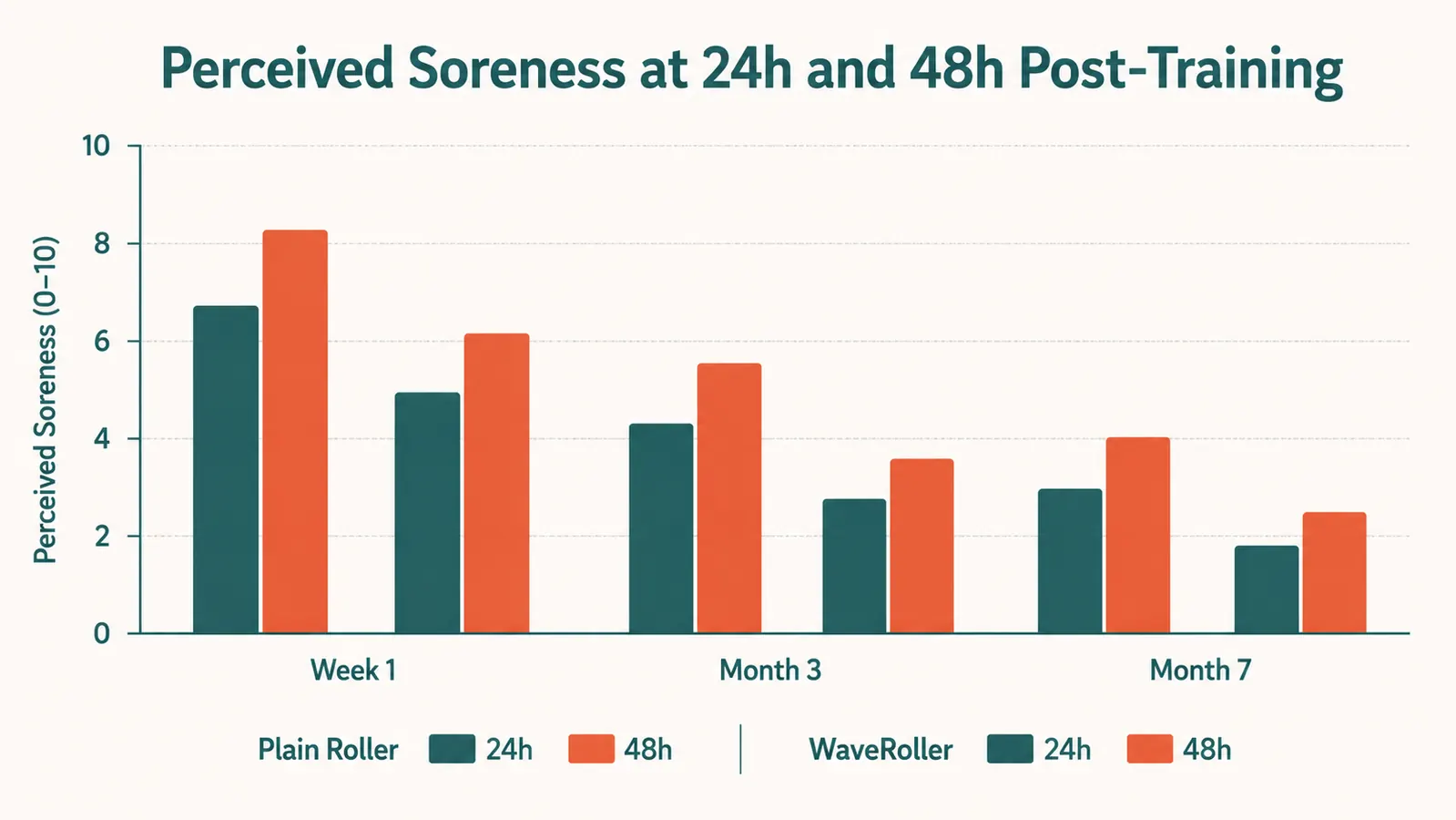
For the first three weeks I ran both rollers side by side, alternating days, to get a direct comparison while my sense memory was still fresh. By week four I stopped reaching for the plain roller completely. That was not a conscious decision. The WaveRoller just got grabbed first every time.
Over the full seven months I estimate 180 to 200 rolling sessions. Battery performance has not declined noticeably. The foam surface shows light cosmetic scuffing but no structural wear. The vibration motor still feels identical to day one. Build quality on Therabody products tends to be serious and this one is no exception.
What the Vibration Actually Does (and What It Does Not)
The biggest misconception I had before buying was that vibration would make rolling hurt less. It does not. Rolling tight, knotted tissue hurts whether the roller vibrates or not. What vibration does is reduce the involuntary guarding response. When you roll a sore quad on a plain roller, your body tenses against the pressure instinctively. The vibration seems to interrupt that signal. You can sink into the same pressure point and stay there longer before your body tells you to back off.
The practical effect is that I can get more release work done in the same eight minutes. I am not spending the first 30 seconds of each zone just convincing my leg to relax. The tissue softens faster and I can move through more zones in one session. For someone with a tight post-workout window before work or family obligations kick in, that matters.
Where vibration does not make a meaningful difference: foam rolling the thoracic spine for posture work. Slow, deliberate extension over a roller is still a slow, deliberate process. The vibration feels pleasant there but it does not accelerate anything. Same with calves. Calves respond about equally to plain or vibrating pressure in my experience. If IT band and quads were your only tight spots, you might get by with a cheaper option.
You can sink into the same pressure point and stay there longer before your body tells you to back off. That is the actual value of the vibration, not comfort, but depth of release.
Speed Settings: What I Actually Use vs What Exists
The WaveRoller has five vibration speeds, controlled by a single button on the end cap that cycles through them. Speed 1 is a gentle hum, Speed 5 is aggressive enough to feel through a thick quad. In practice I live at Speed 3 for most work and Speed 1 for the IT band. I have used Speed 4 and 5 a handful of times on very fresh, non-sore tissue as a warm-up activation move. I have almost never used Speed 5 for recovery because it is just too much sensation when tissue is already irritated.
One practical note: cycling through all five speeds with a single end-cap button means you will sometimes overshoot and have to cycle back around. After 200 sessions this is still mildly annoying. A dedicated up/down rocker would have been a smarter design choice. It is not a dealbreaker but it is worth knowing before you buy.
Battery Life and Charging: The Real Numbers
Therabody advertises a 2-hour battery life. My actual experience with eight-minute sessions is closer to 14 to 16 sessions per charge, which works out to roughly 2 to 2.5 hours of use at mid-range speeds. At Speed 5 continuous, the battery drains noticeably faster. I charge mine via USB-C roughly every 10 to 12 days. That charge time is not a burden. If you forget to charge it before a session it will sit dead in the corner for a day, which is mildly frustrating. Keep a USB-C charger nearby and this is a non-issue.
One thing worth flagging: the WaveRoller does not have a low-battery indicator. It just dies mid-session when the charge runs out. No warning tone, no blinking light, just silence. I wish Therabody had added a simple LED indicator. For a mid-priced device, that feels like an oversight.
Noise Level: Can You Use This Without Waking Everyone Up?
At Speed 1 and 2, the WaveRoller is quiet enough to use in a bedroom at 5 a.m. while a partner is still asleep. The vibration sound is a low, muffled hum. At Speed 3 and above it sounds like a small handheld mixer in the same room. Not unbearable, but noticeable. In a dedicated gym space or living room this is completely fine. In a thin-walled apartment with sleeping roommates at midnight, Speed 3 and above would probably earn you a complaint. For early morning training, Speeds 1 and 2 are real options. Most of my pre-dawn sessions run at those levels and nobody has ever stirred.
What I Liked
- Vibration measurably reduces guarding response, letting you sink deeper into tight tissue faster
- Five speed settings give genuine flexibility across muscle groups and soreness levels
- Battery holds up well after 200-plus sessions with no degradation
- High-density foam and solid motor housing show no structural wear at 7 months
- Low speeds (1-2) quiet enough for early morning use without disturbing others
- USB-C charging is convenient and the cable works with standard cables
Where It Falls Short
- Single end-cap button cycles through all speeds, no up/down control, easy to overshoot
- No low-battery indicator, stops dead mid-session without warning
- Premium price point only justifies itself for frequent, consistent rollers
- Vibration adds less value on calves and thoracic spine than on quads and IT band
- Speed 4 and 5 are loud enough to be a concern in shared living spaces
WaveRoller vs My Old Budget Foam Roller: Honest Side-by-Side
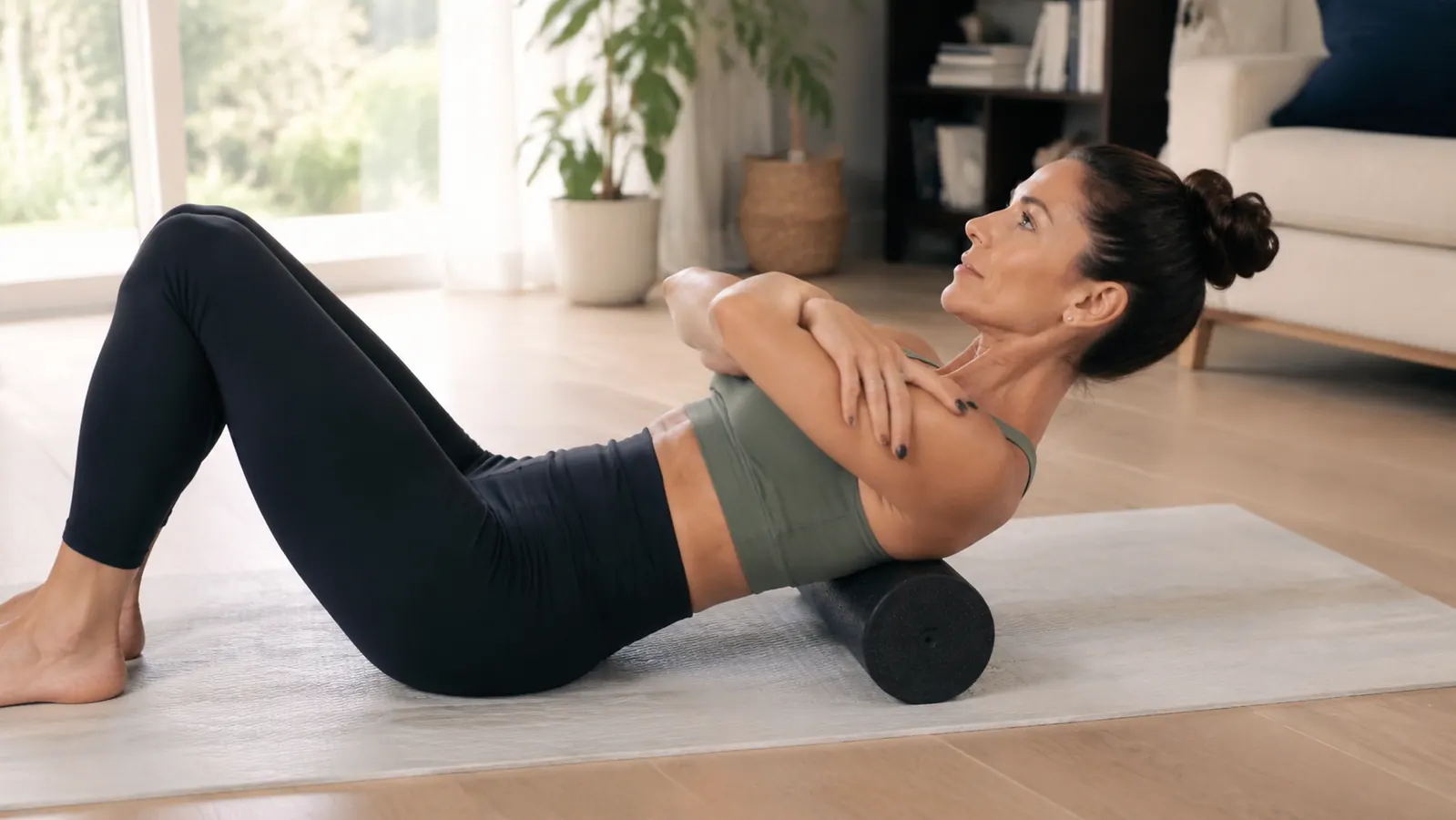
My old roller was a firm high-density EVA foam cylinder, standard 13-inch length. It did the job. It broke down muscle tissue when I used it. The problem was I did not use it much because it hurt enough that I would cut sessions short or skip them entirely on particularly sore days. The pain-to-benefit ratio made it too easy to rationalize skipping.
With the WaveRoller I skip far less often. Part of that is recency bias from a new purchase. Seven months in, though, that consistency has held. I think the honest explanation is that the vibration makes each session feel more productive and slightly less unpleasant, which makes me more likely to start. Behavior change for recovery tools is almost always about reducing friction to starting. Therabody gets that.
For a deeper comparison between this roller and a standard option, see our full breakdown at Therabody WaveRoller vs Standard Foam Roller. And if you want the case for vibrating rollers laid out point by point, our 10 Reasons a Vibrating Foam Roller Outperforms a Standard Roller article goes into the mechanics in more detail.
Who This Is For
The WaveRoller earns its price for people who train four or more times a week and already have a rolling habit (or want to build one). Runners with persistently tight IT bands and quads, cyclists with hip flexor and lower back tension, and anyone who has noticed that plain rolling sessions feel short because the discomfort cuts them off early. If that description fits, the vibration will deliver a real, noticeable improvement in how deep and how long you can roll each session. The consistency payoff over months is legitimate.
Who Should Skip It
If you currently roll once a week or less, or your soreness is mild enough that a plain roller does not cause you to quit early, the WaveRoller is hard to justify at its premium price point. A quality high-density foam roller at a budget price will produce the same tissue release at that frequency. The vibration is a consistency and depth multiplier, not a standalone recovery shortcut. Also worth noting: if you live in a shared space and do most of your recovery at night or early morning, the noise at mid-to-high speeds is a real consideration. Speeds 1 and 2 are fine, but they are also the speeds closest to what a plain roller provides.
Seven months in, the WaveRoller is still the first thing I grab after a hard session. Here's what it costs today.
The Therabody WaveRoller ships with a USB-C charging cable. No app required, no subscription. Just a roller that vibrates at five speeds and holds up through real training volume.
Amazon Check Today's Price on Amazon →